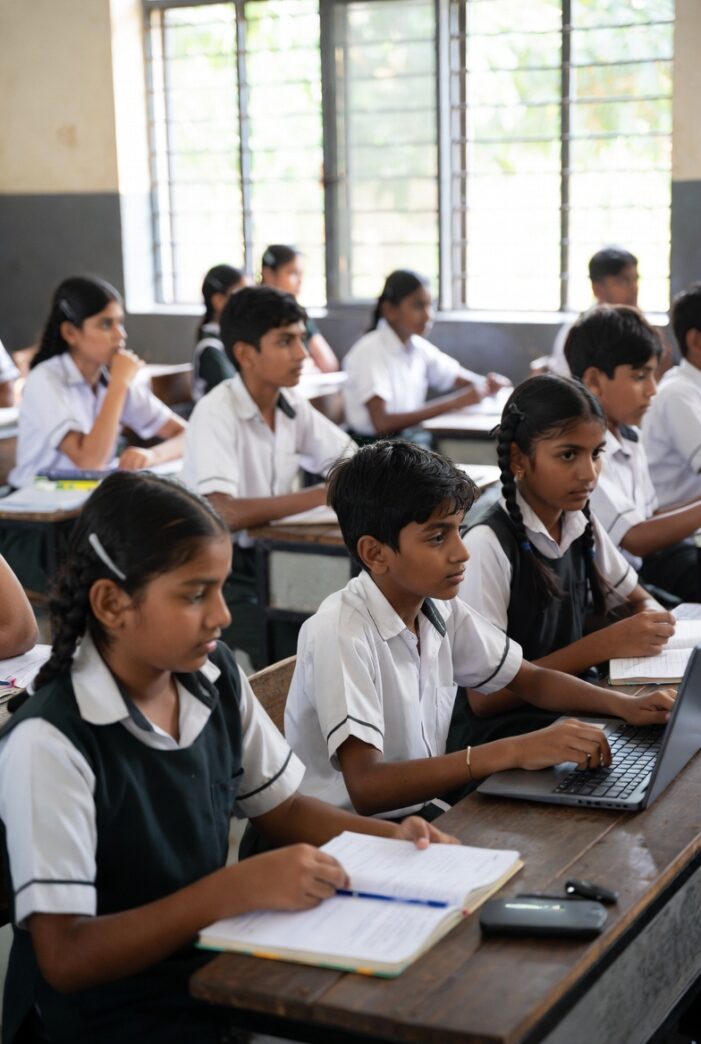
Mysuru, January 24, 2026 – Today marks the International Day of Education, observed annually on January 24 under the auspices of the United Nations and UNESCO. Proclaimed by the UN General Assembly, this day celebrates education’s pivotal role in fostering peace, sustainable development, and global progress. The 2026 theme, “The power of youth in co-creating education”, spotlights young people as active agents of change, not just beneficiaries, in shaping inclusive, equitable, and innovative learning systems worldwide.
UNESCO hosted a hybrid global event on January 23 at its Paris headquarters, emphasizing youth leadership in addressing educational challenges. The observance aligns with Sustainable Development Goal 4 (Quality Education), calling for renewed investments to ensure learning opportunities reach every corner of the globe.
Global Significance: Education as a Foundation for Peace and Prosperity
Education remains a fundamental human right and a powerful catalyst for breaking cycles of poverty, promoting equality, and building resilient societies. On this day, the United Nations and partners like the World Bank highlight how quality education drives economic growth, empowers individuals, and supports environmental sustainability. This year’s focus on youth co-creation encourages involving students and young leaders in designing curricula, policies, and digital tools that prepare them for future challenges, including climate action, technological advancement, and social inclusion.
India’s Focus: Extending Future-Ready Learning to Rural Heartlands
In India, the International Day of Education 2026 resonates deeply amid ongoing efforts to democratize access to modern education. Discussions and initiatives center on future-ready learning, particularly in rural and underserved areas, where digital infrastructure and skill-based programs are transforming traditional classrooms.
The National Education Policy (NEP) 2020 continues to guide reforms, blending ancient Gurukul-inspired values of holistic development with contemporary tools like digital literacy, coding, AI basics, and vocational training. Rural classrooms are increasingly equipped with interactive technologies—large LED screens, projectors, tablets loaded with curated content, and digital writing boards—enabling engaging, student-centered learning even in remote villages.
Government and private sector investments have surged, with significant funding directed toward EdTech initiatives and rural digital adoption, which saw notable growth in recent years. NGOs and community programs play a key role, upgrading school libraries, science labs, and computer facilities to bridge the urban-rural divide.
Bridging the Gap: Digital and Skill-Based Transformations
Key initiatives are making education more inclusive and relevant:
- Digital Integration — Programs deliver web-based resources and interactive lessons to areas with limited traditional infrastructure, fostering skills in STEM, critical thinking, and green technologies.
- Skill Development — Emphasis on technical and vocational education and training (TVET) equips youth with employable competencies, aligning with India’s goal of a future-ready workforce.
- Youth Empowerment — Echoing the global theme, Indian educators and policymakers are increasingly involving students in co-designing learning experiences, from local curriculum inputs to tech-driven projects.
These efforts aim to ensure no child is left behind, promoting equitable access and preparing learners for a rapidly evolving world.
As the world marks this day, the message is clear: education, when inclusive and innovative, holds the power to build peaceful, prosperous, and sustainable societies. In India and beyond, empowering youth to co-create their educational futures is not just a theme—it’s a pathway to lasting change.

International Day of Education 2026: Empowering Youth and Bridging Divides for a Sustainable Future added by AdminEdu on
View all posts by AdminEdu →